sefit
sefit is developing a virtual reality tool for people with sensory gating disorder.
In Switzerland, around 80,000 children and young people live with autism, 280,000 people with ADHD and over 1.5 million with migraine. Many of them experience sensory hypersensitivity. This is referred to as sensory gating disorder.
Everyday situations become a challenge
For people with sensory gating disorder, everyday situations can be stressful, whether this is a trip on public transport, a busy shop, school lessons, an open-plan office or meeting up with friends. Noise, visual stimuli or social activities can be stressful and overwhelming for people with the condition. As a result, many partially withdraw from social, professional or school life.
Using virtual reality to combat sensory gating disorder
Existing therapies – e.g. practising real or theoretical situations during therapy – are often labour-intensive, difficult to scale or not very practical.
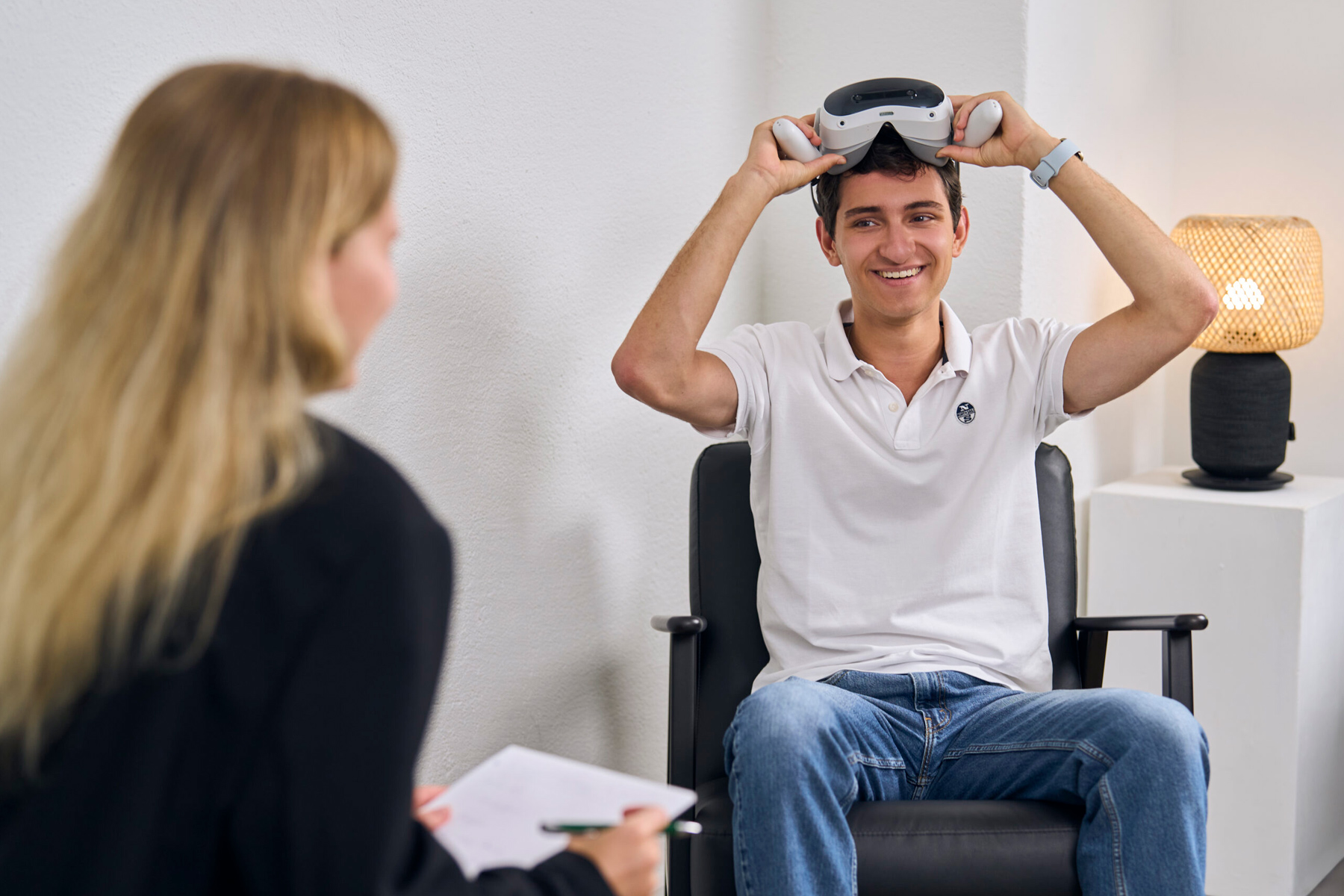
This is where sefit comes in with its sensory filter training. Using real-life filmed scenes, people with sensory gating disorder can individually practise various everyday situations using virtual reality in a safe and controlled environment, either at home or in the therapy practice.
These training sessions are supervised by therapists. This is intended to allow people affected to gradually get better at identifying personal triggers and to develop coping strategies for school, training, work and everyday life.
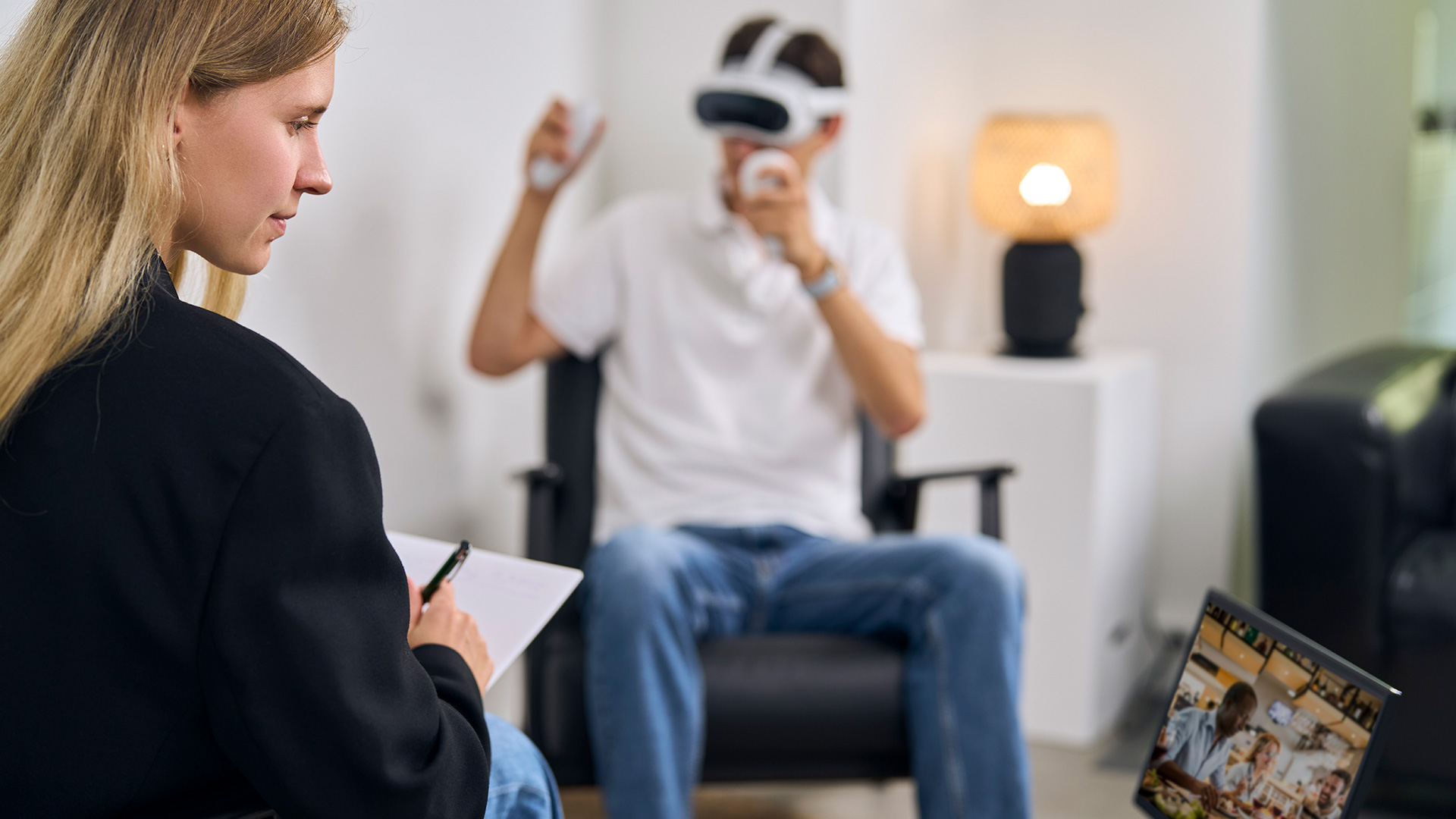
sefit is already being tested in various regions of Switzerland and has met with a positive response. It is currently in its final development phase. This is focussed on additional practical tests, new training scenes and systematic evaluation of feedback.
The Sympany Foundation is supporting the sponsoring association “Technologie für soziale Integration” with the finalisation of sefit.
A Sympany Foundation project.
Further information

